Collection Two - The Apothecary Walk
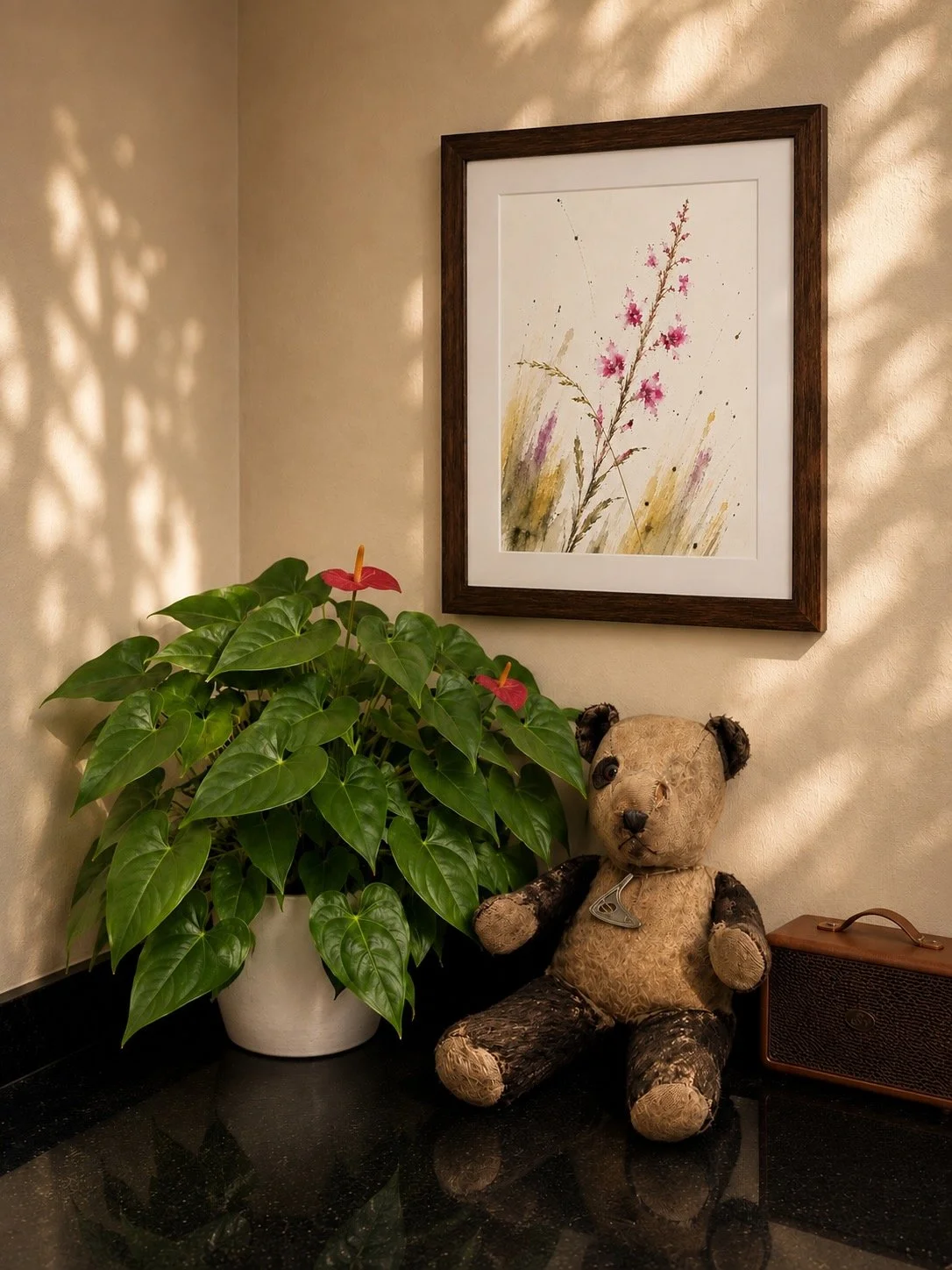
For centuries, Britain’s countryside was nature’s medicine cupboard. The Apothecary walk explores the wild plants once gathered to heal, nourish and sustain everyday life, revealing the history hidden within some of our most familiar species.
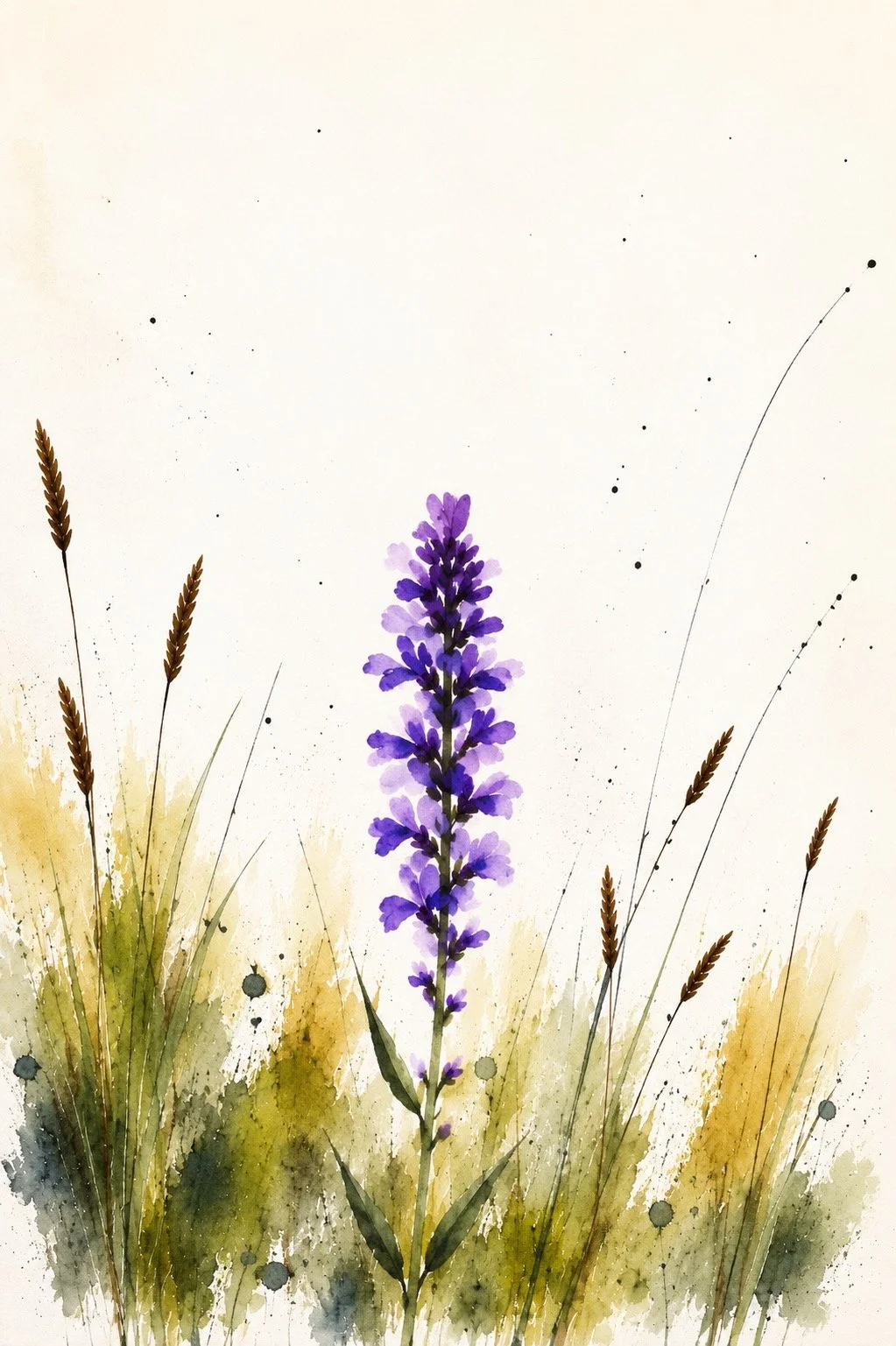
Woodland Betony
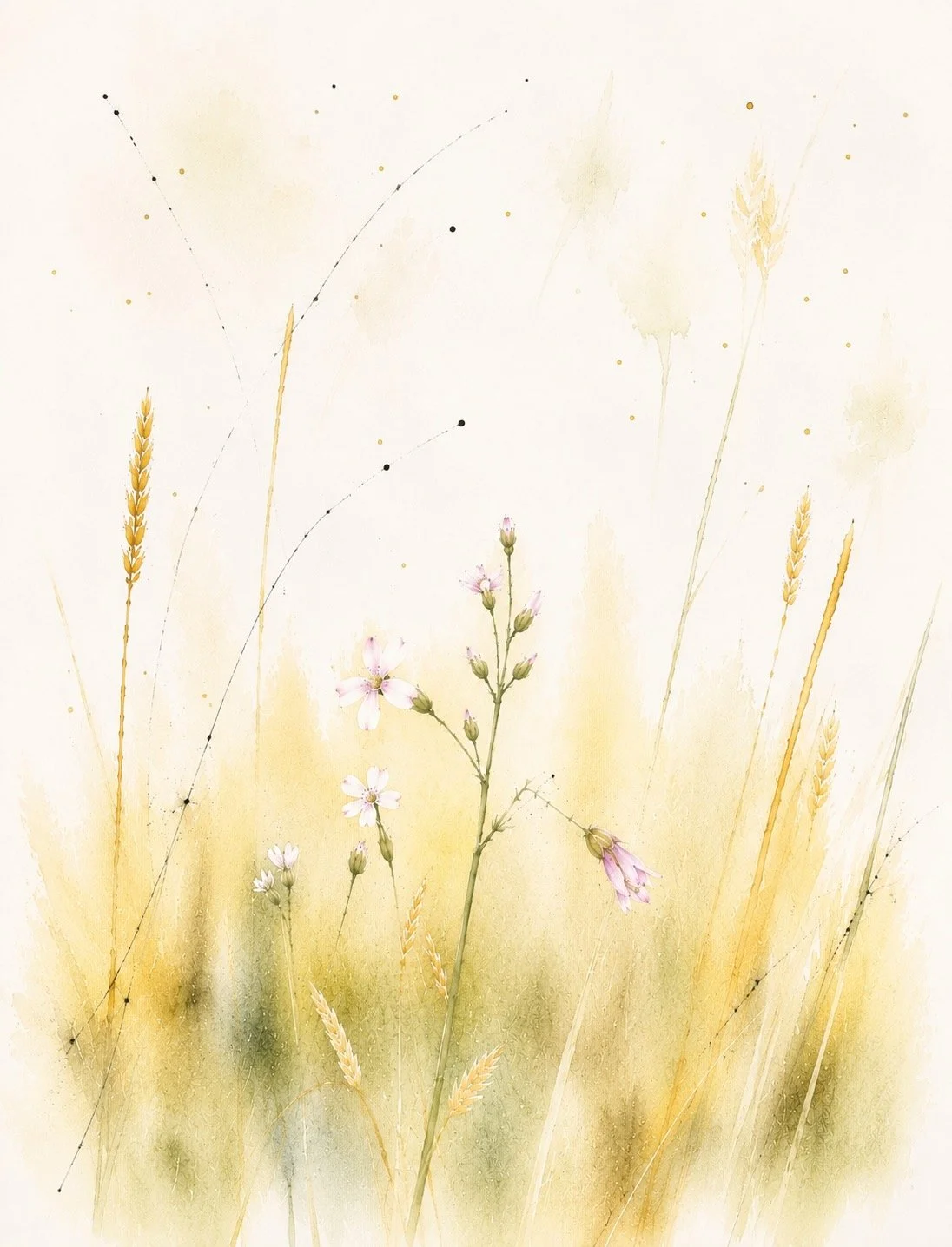
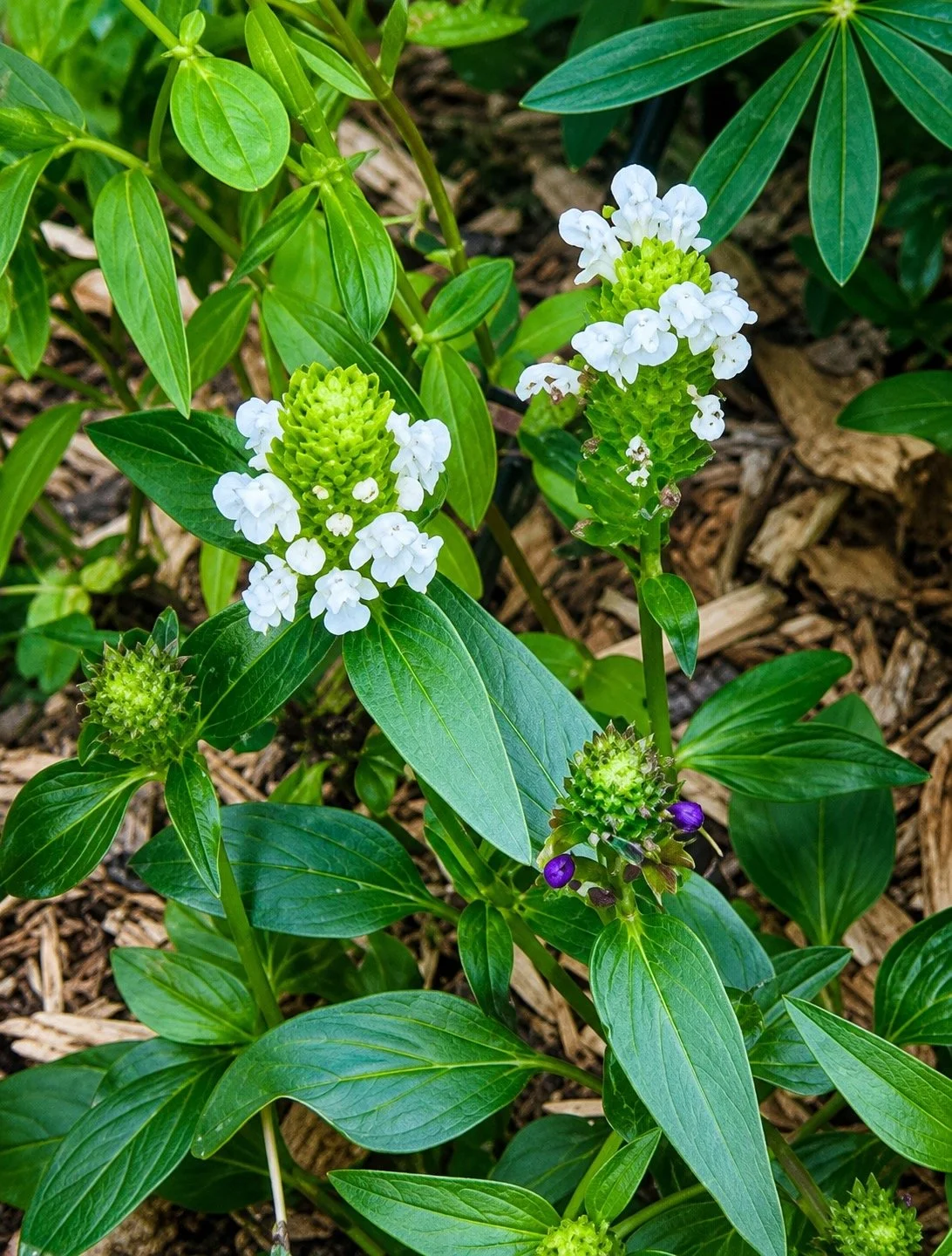
Self-heal
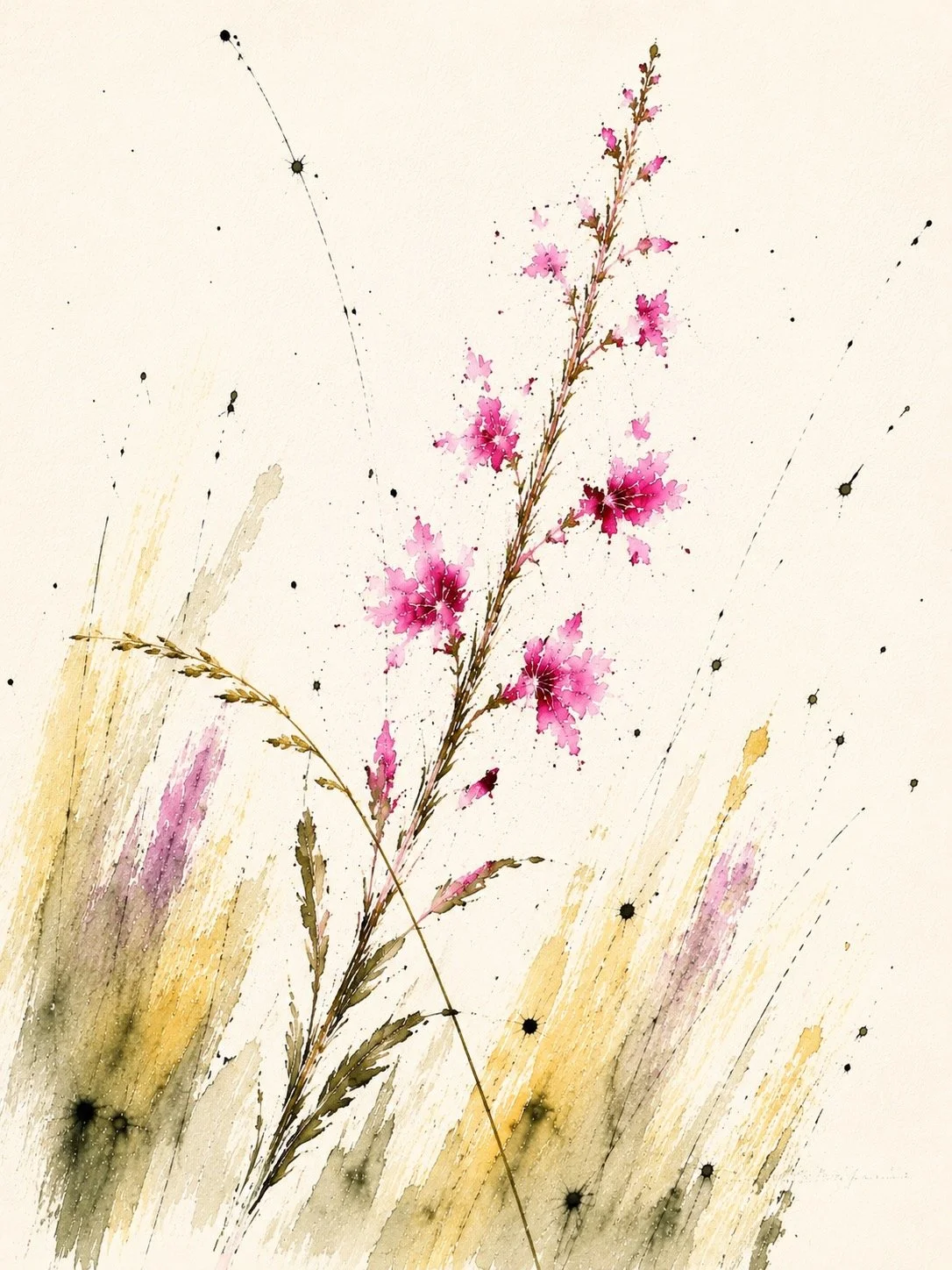
Rosebay Willowherb
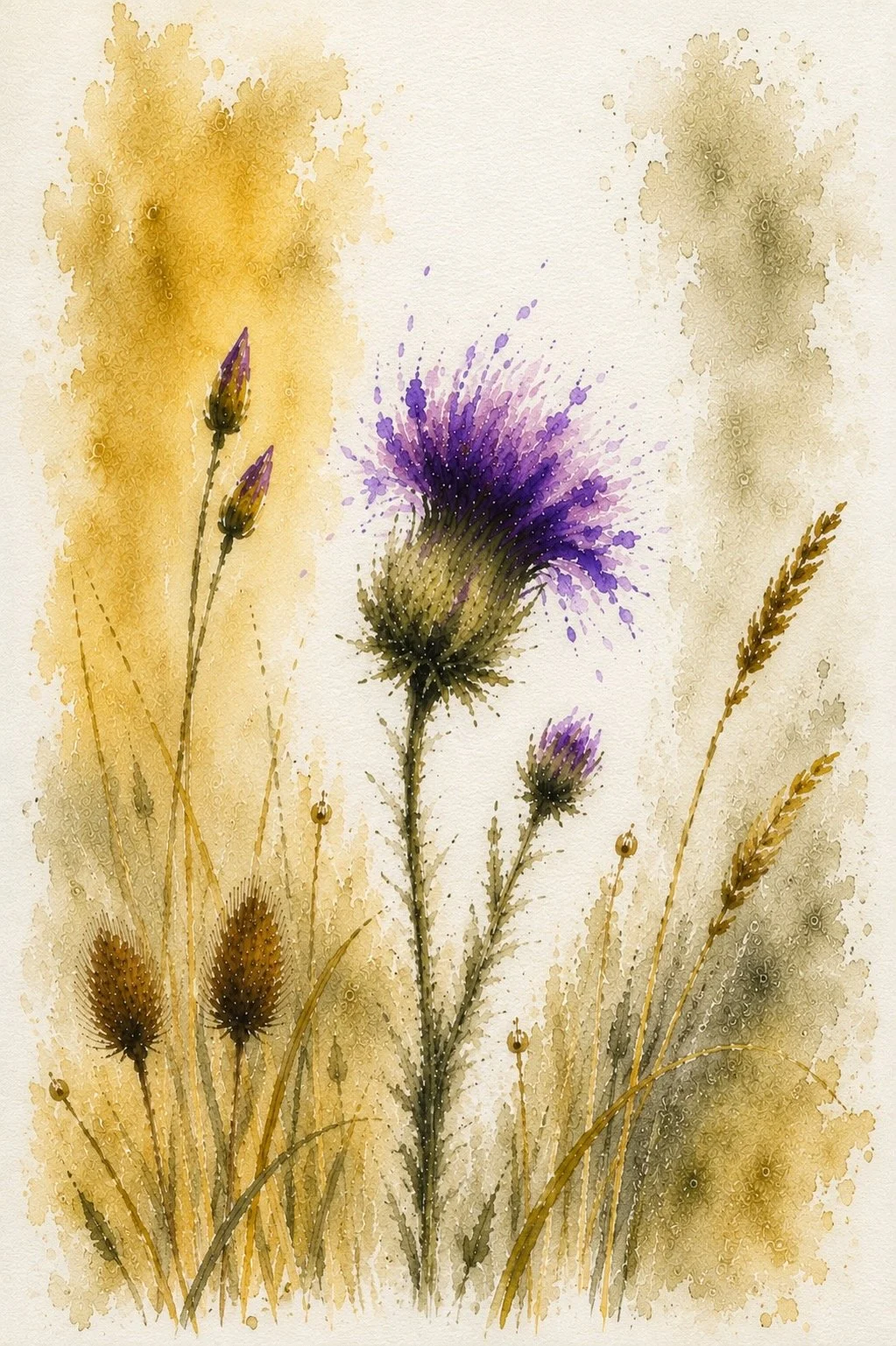
Thistle
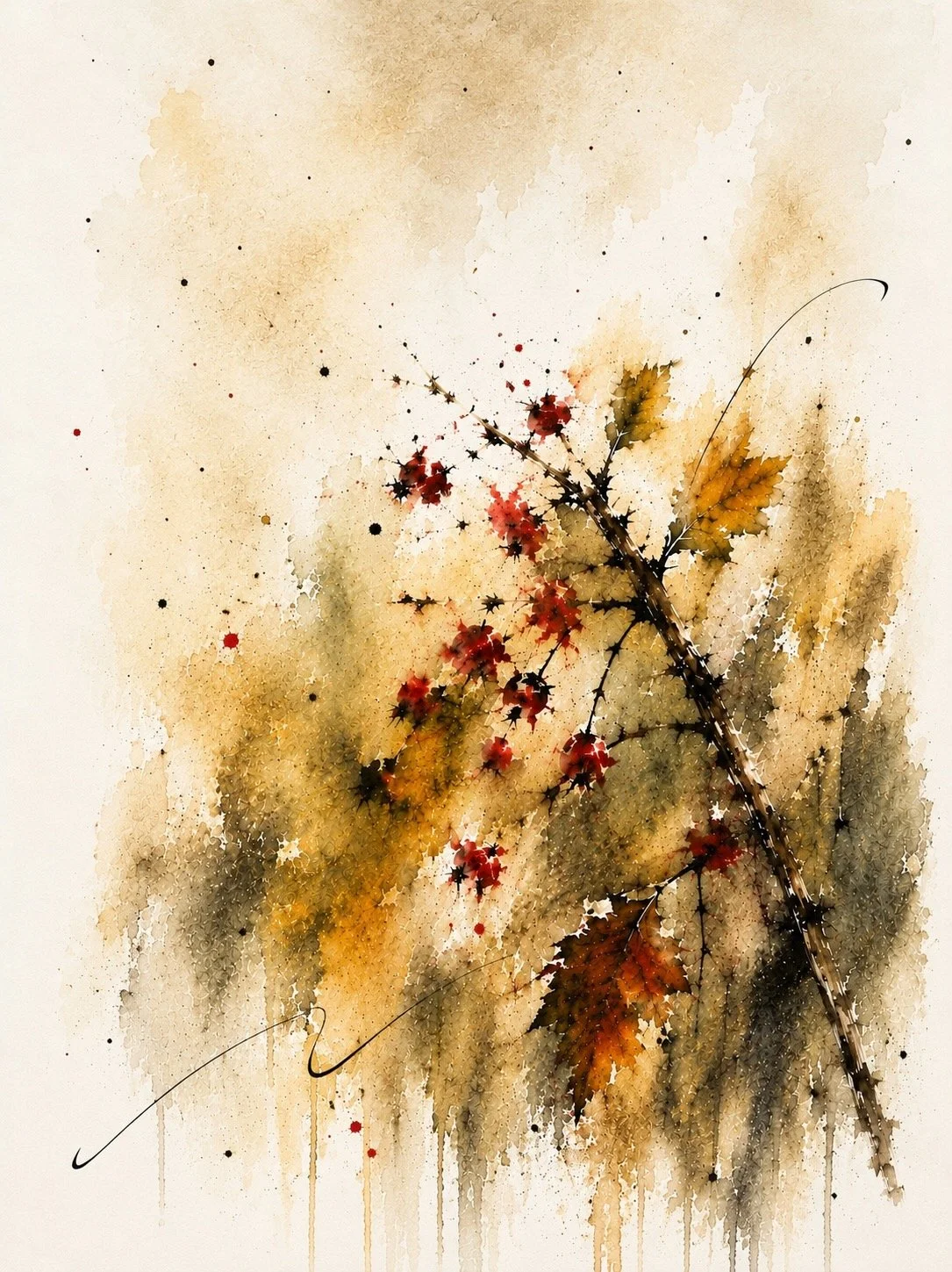
Hawthorn
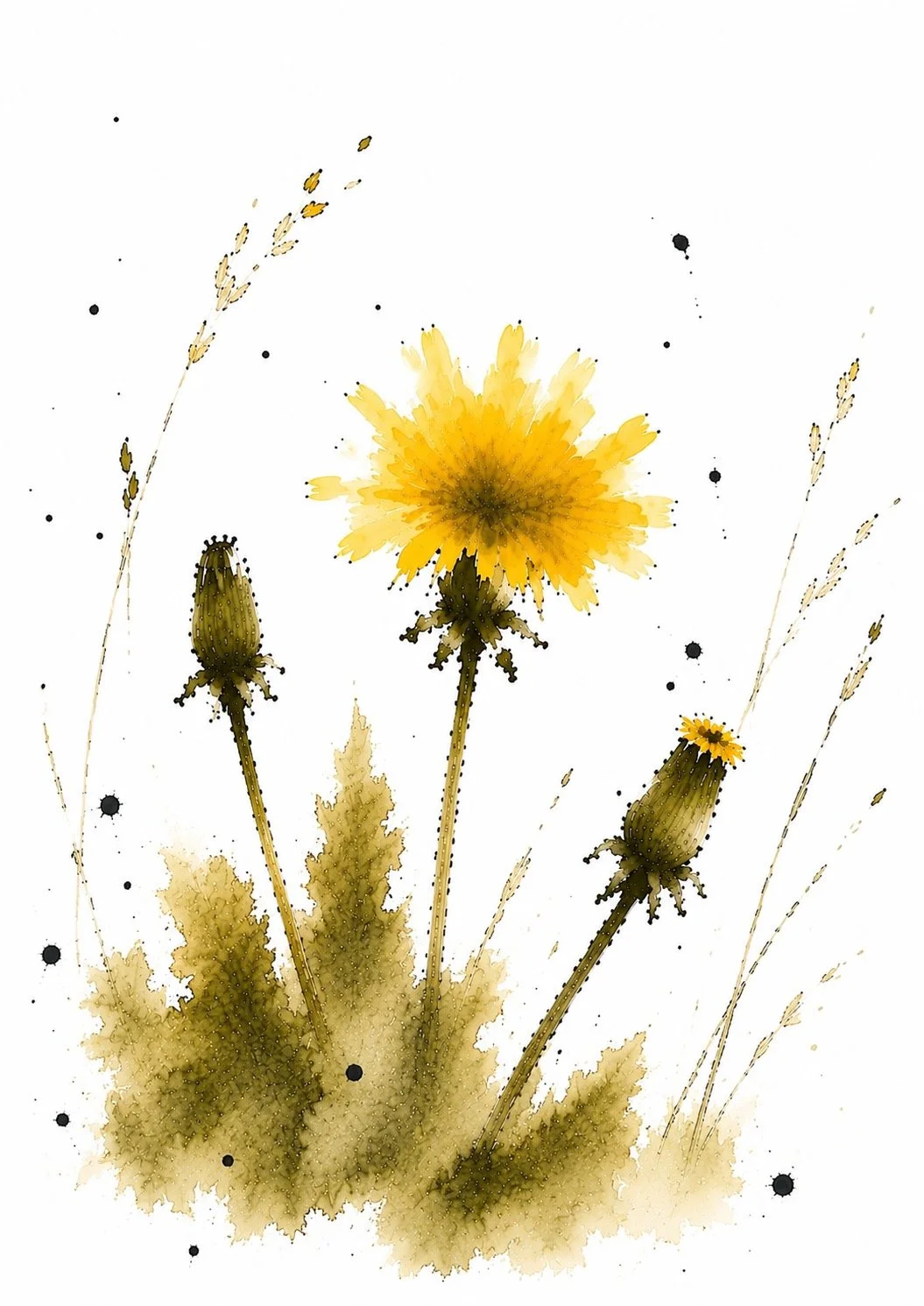
Dandelion
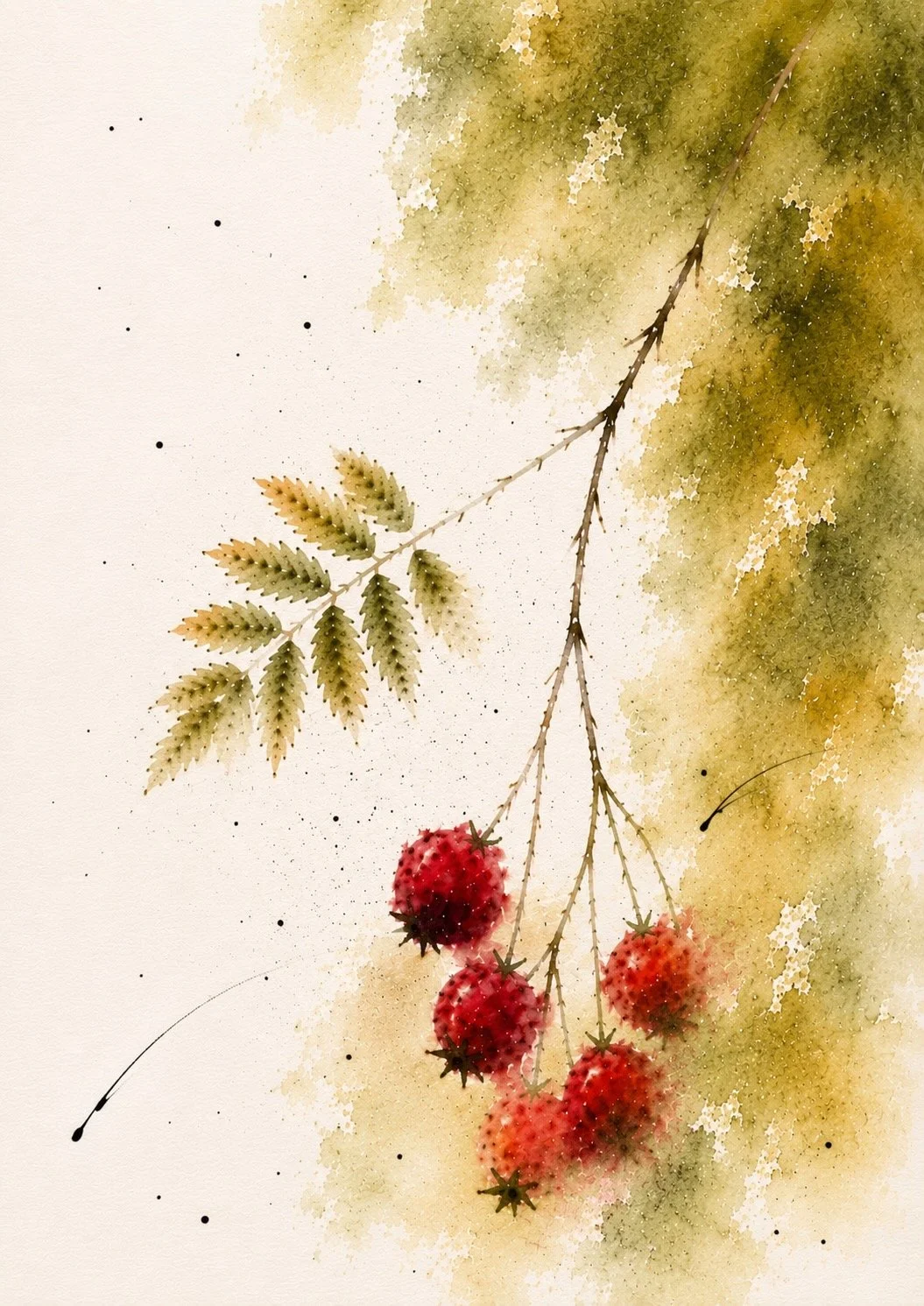
Rowan
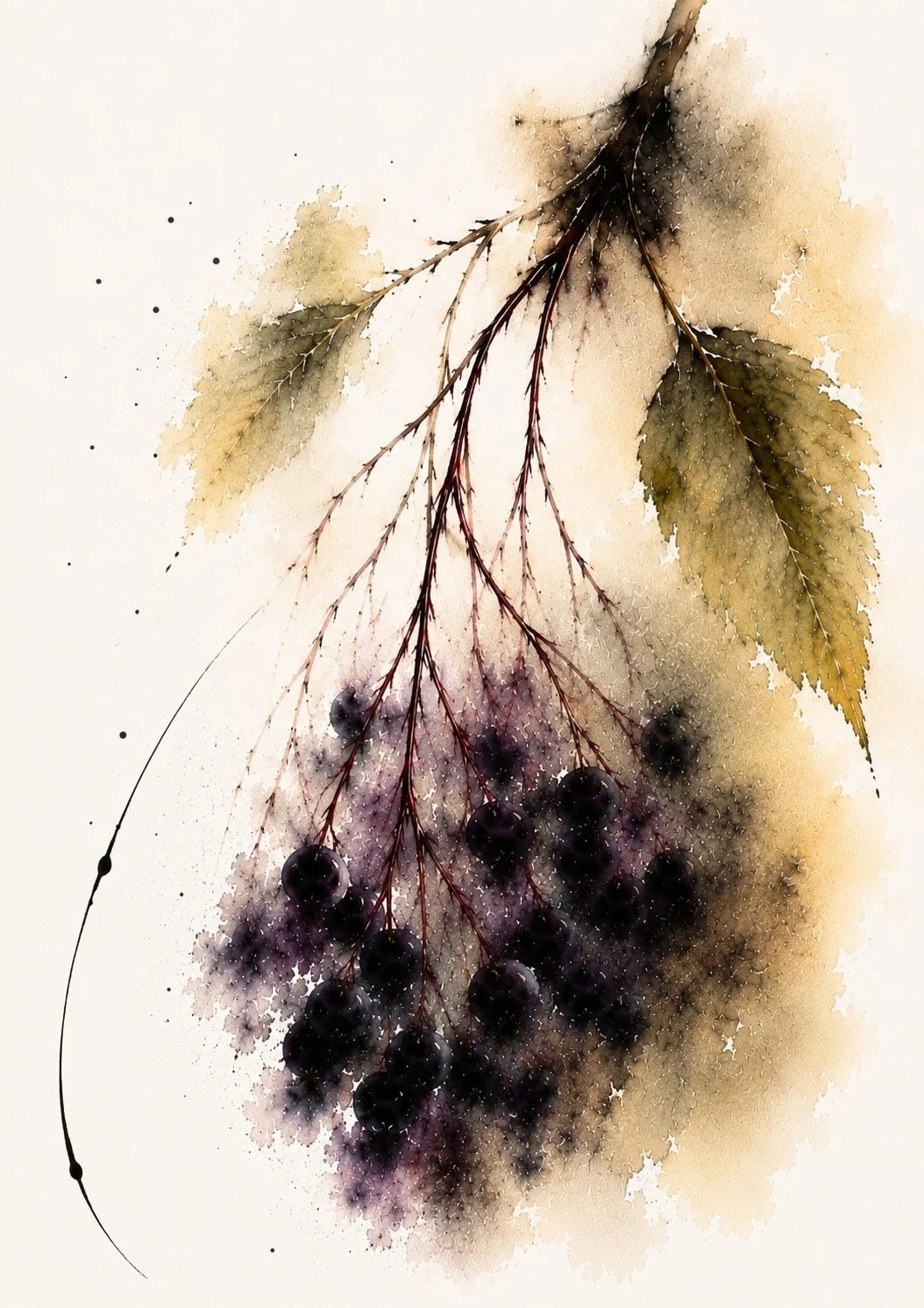
Elderberries
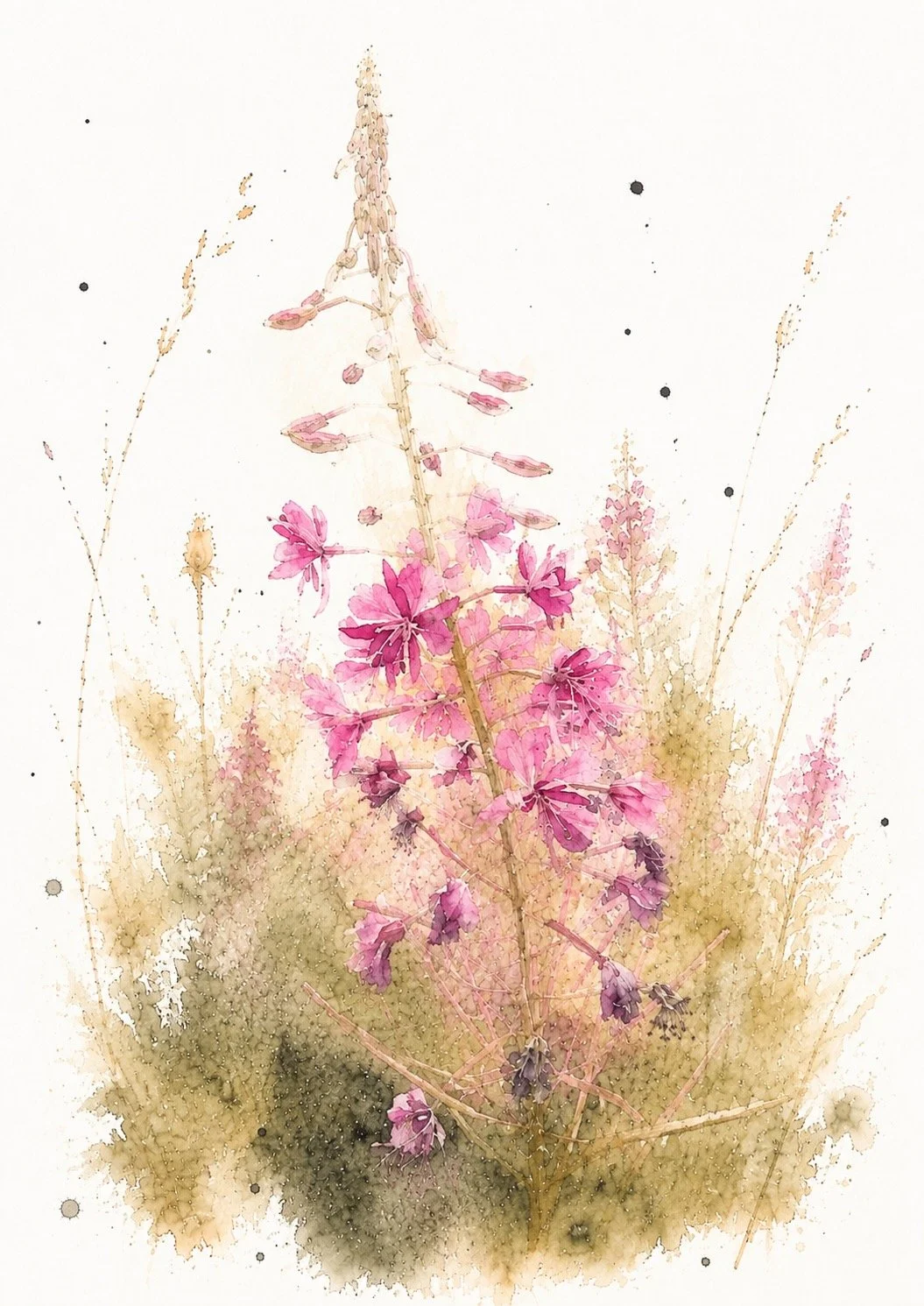
Fireweed
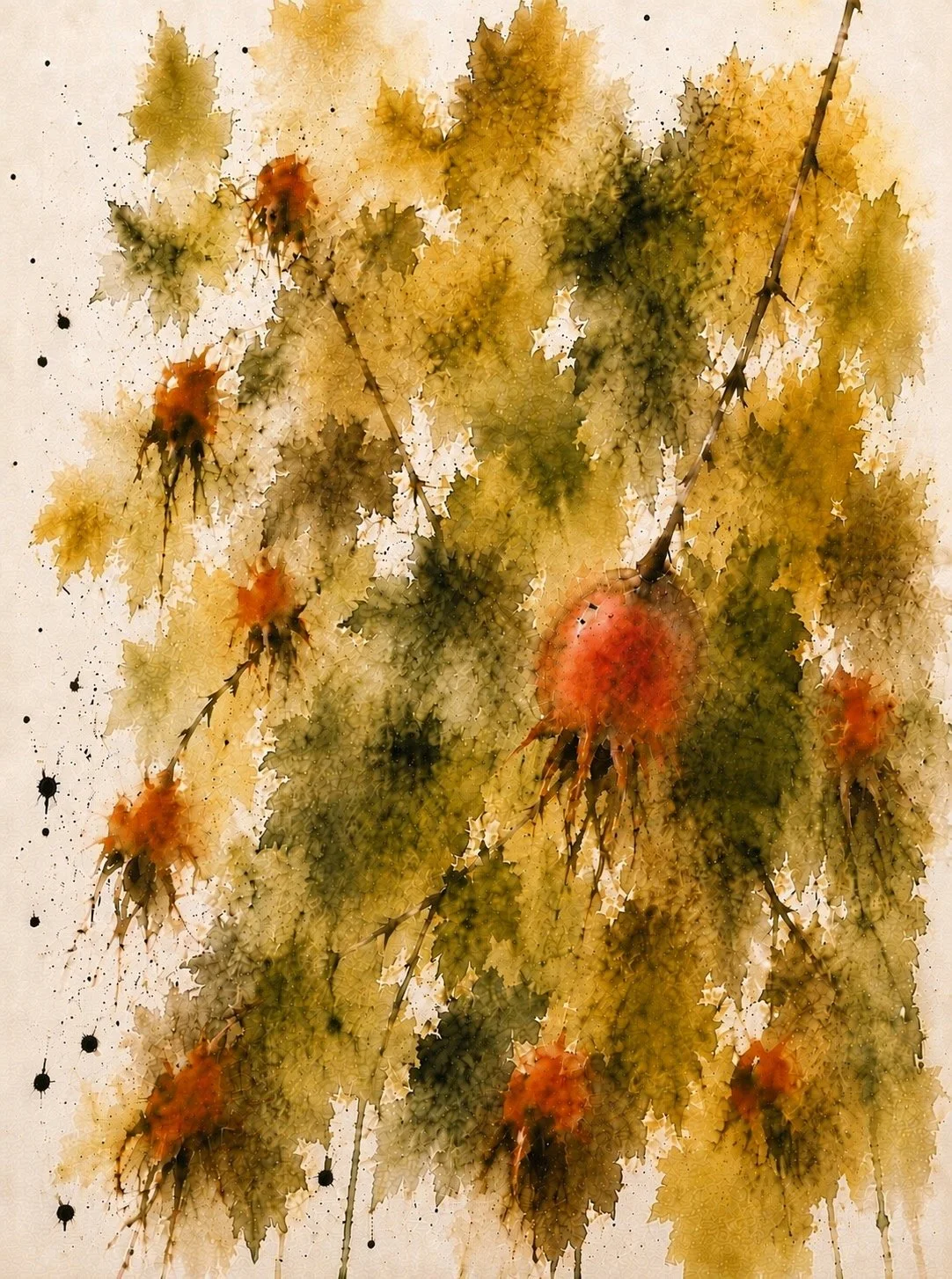
Rosa Villosa
The Apothecary Walk
Many of Britain’s wild plants were once valued as medicine, foods and everyday remedies. The Apothecary Walk explores that forgotten knowledge, revealing the remarkable histories hidden within some of our most familiar species.
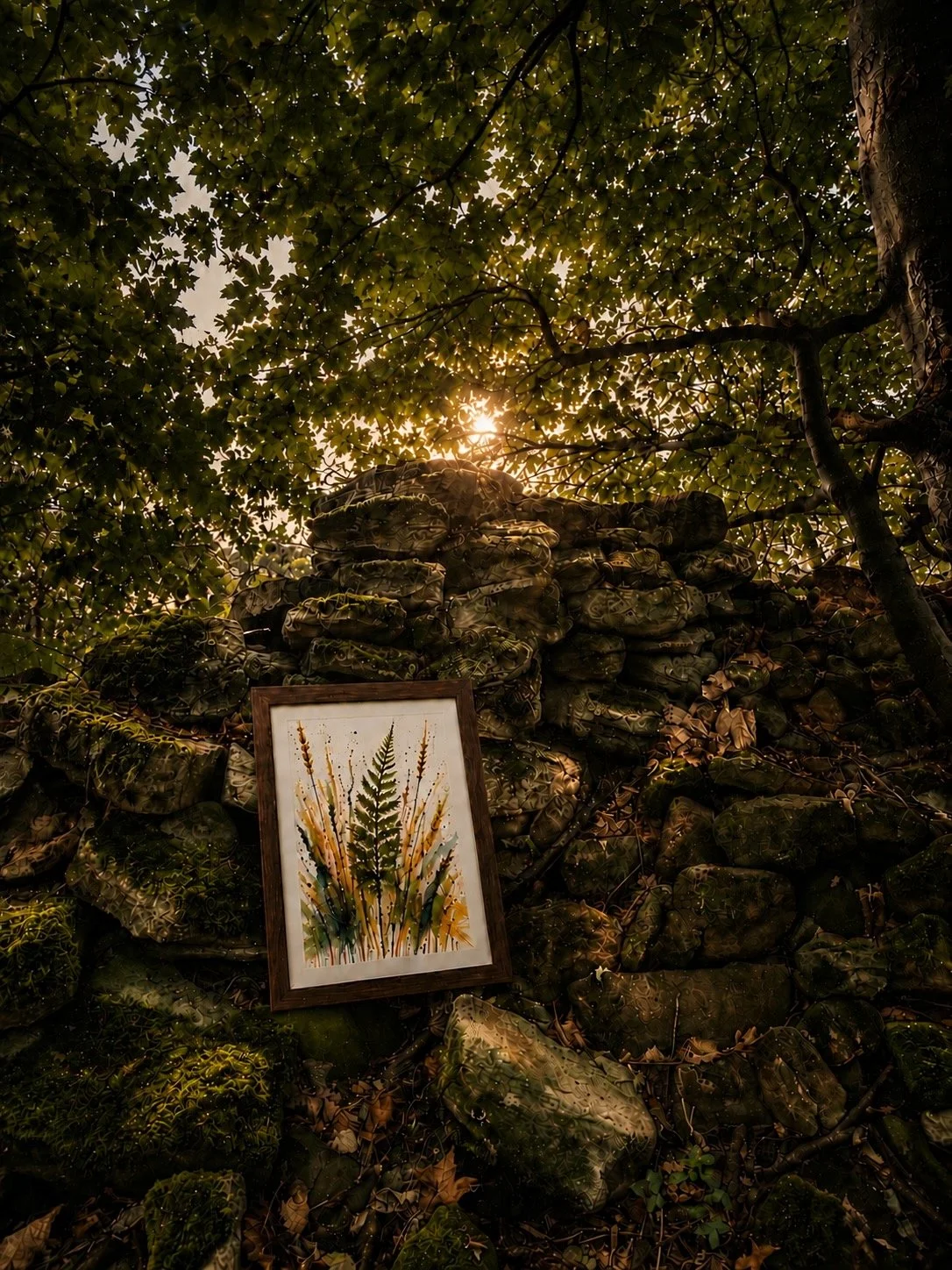
A Little Botanical History
Every flower has a story. Here are three that stayed with us.
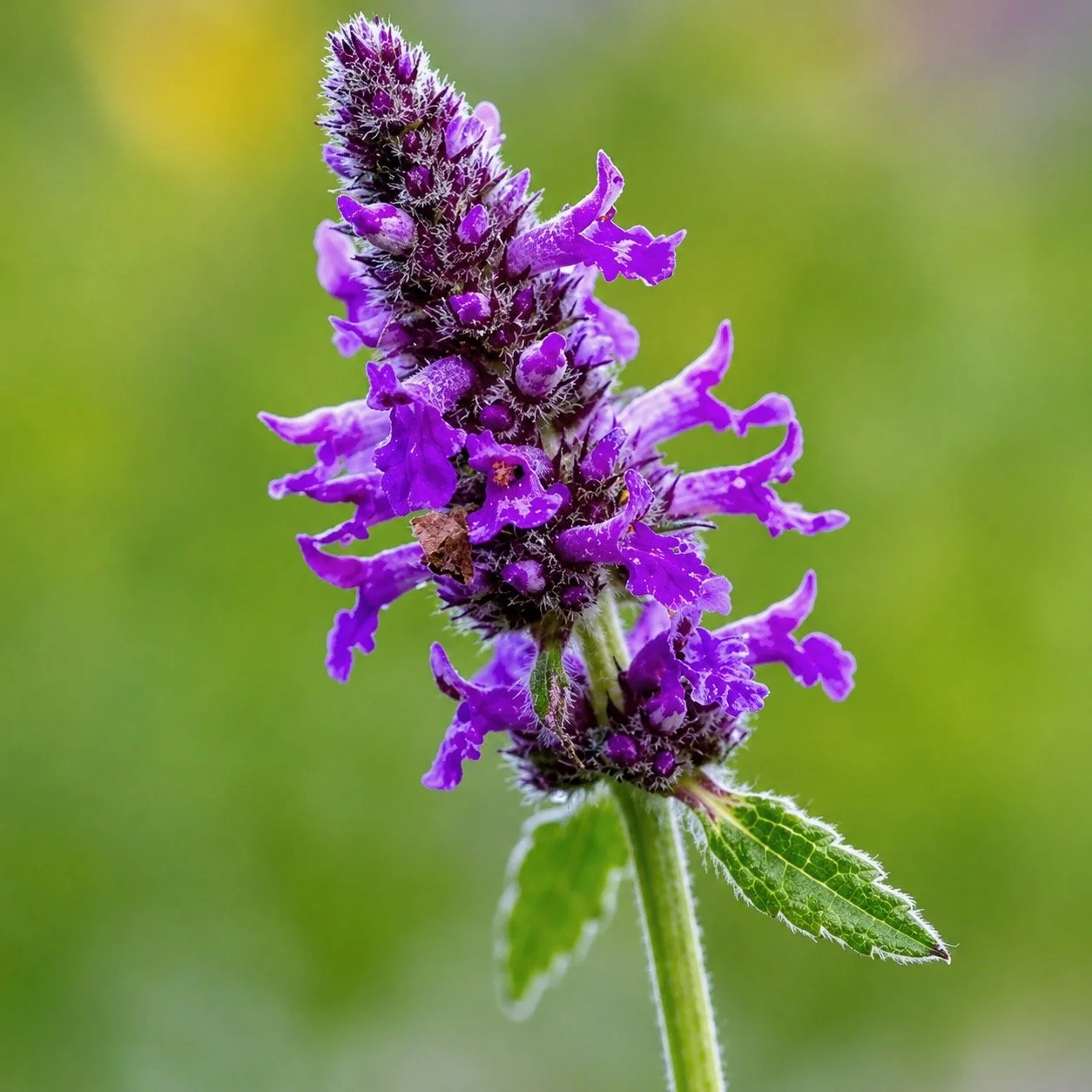
Betony - The Romans introduced this remarkable herb to Britain as one of their most valued medicinal plants. Pliny the Elder wrote that it was “more highly esteemed than gold” and described it as a remedy for the bites of venomous animals, among many other ailments. Centuries later, monks cultivated it is physic gardens - gardens devoted entirely to growing medicinal plants used to acre for the sick.
This quiet wildflower was once considered more valuable than gold.
Meadowsweet - Long before aspirin was developed, meadowsweet was gathered to ease pain and reduce fever. The plant naturally contains salicylate compounds closely related to those later used in one of the world’s most familiar medicines. What was once a common meadow flower became the starting point for a medical breakthrough.
One of our oldest painkillers still grows beside our rivers.
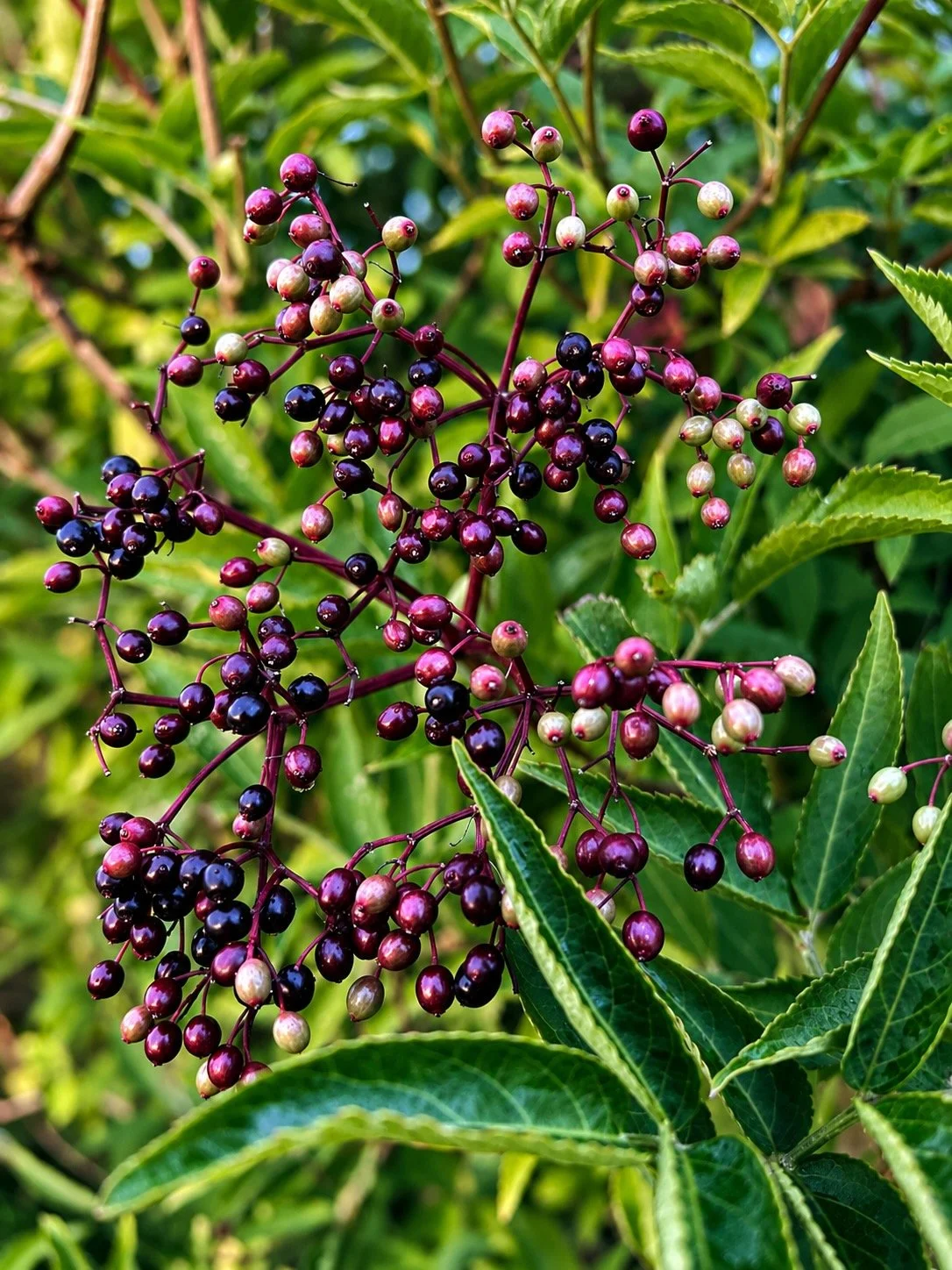
Elder - Few British plants have been put to more practical use than elder. Its flowers were made into cordials and remedies for colds and coughs, while the berries became syrups, wines and preserves. For generations it was both a medicine and a store cupboard, earning a place in homes across the country.
This hedgerow plant has meticulously serves generations of British families.
From the Journal
Rosebay Willowherb is often one of the first plants to reclaim disturbed ground.
After the Second World War it spread quickly across the bomb sites of British cities, earning it the nickname Fireweed. Long before that, it was also valued in traditional herbal medicine, where its leaves were used to soothe skin irritations and minor wounds.
it is easy to dismiss it as just another roadside wild flower.
Yet very summer, it quietly reminds us that nature rarely leaves empty spaces for long. Given time, light and a little patience, life begins again.
It reminds me that recovery begins long before anyone notices.
andrewkenworthy01@gmail.com
Join the Journal
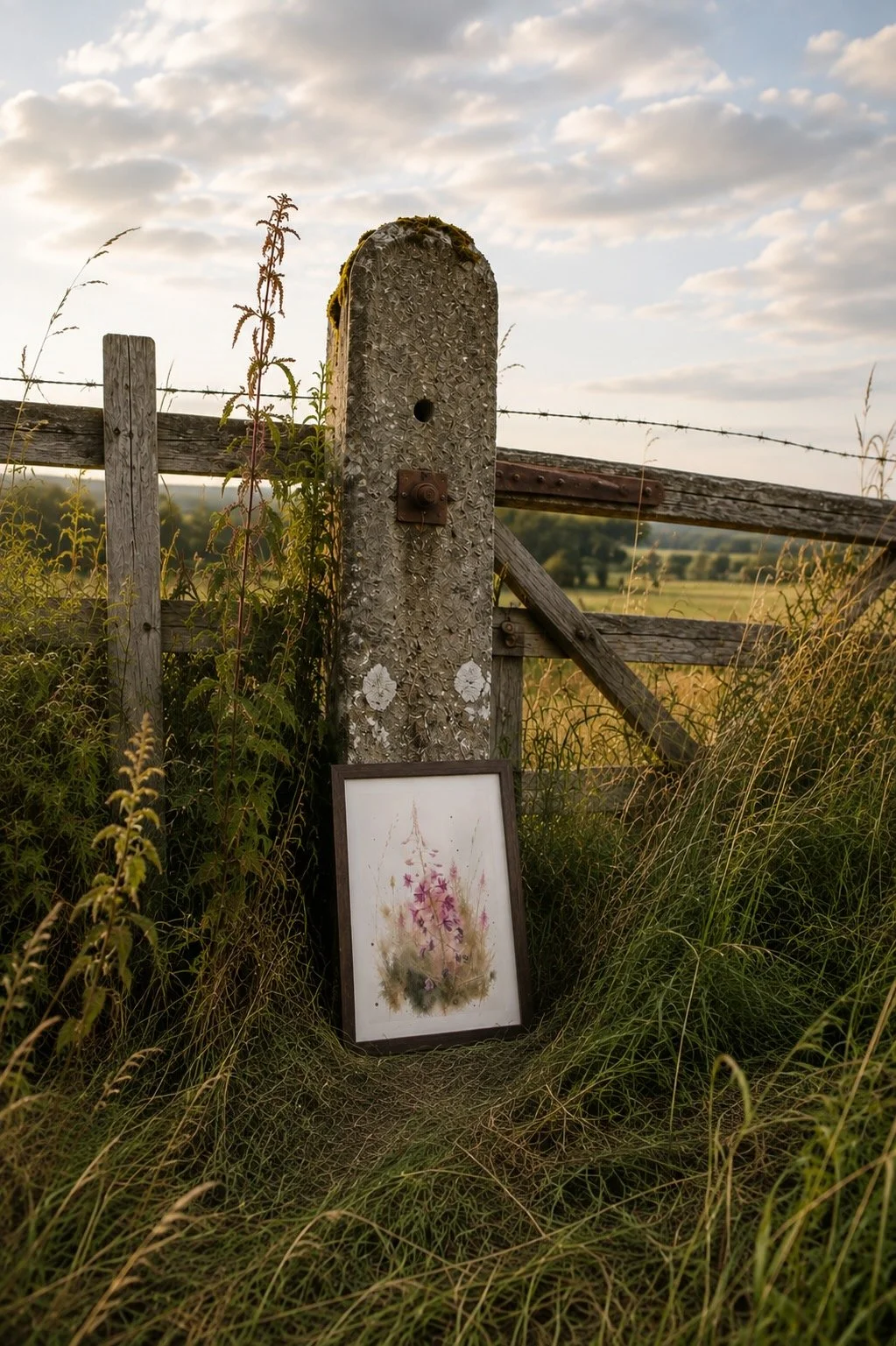
Available Original Artworks
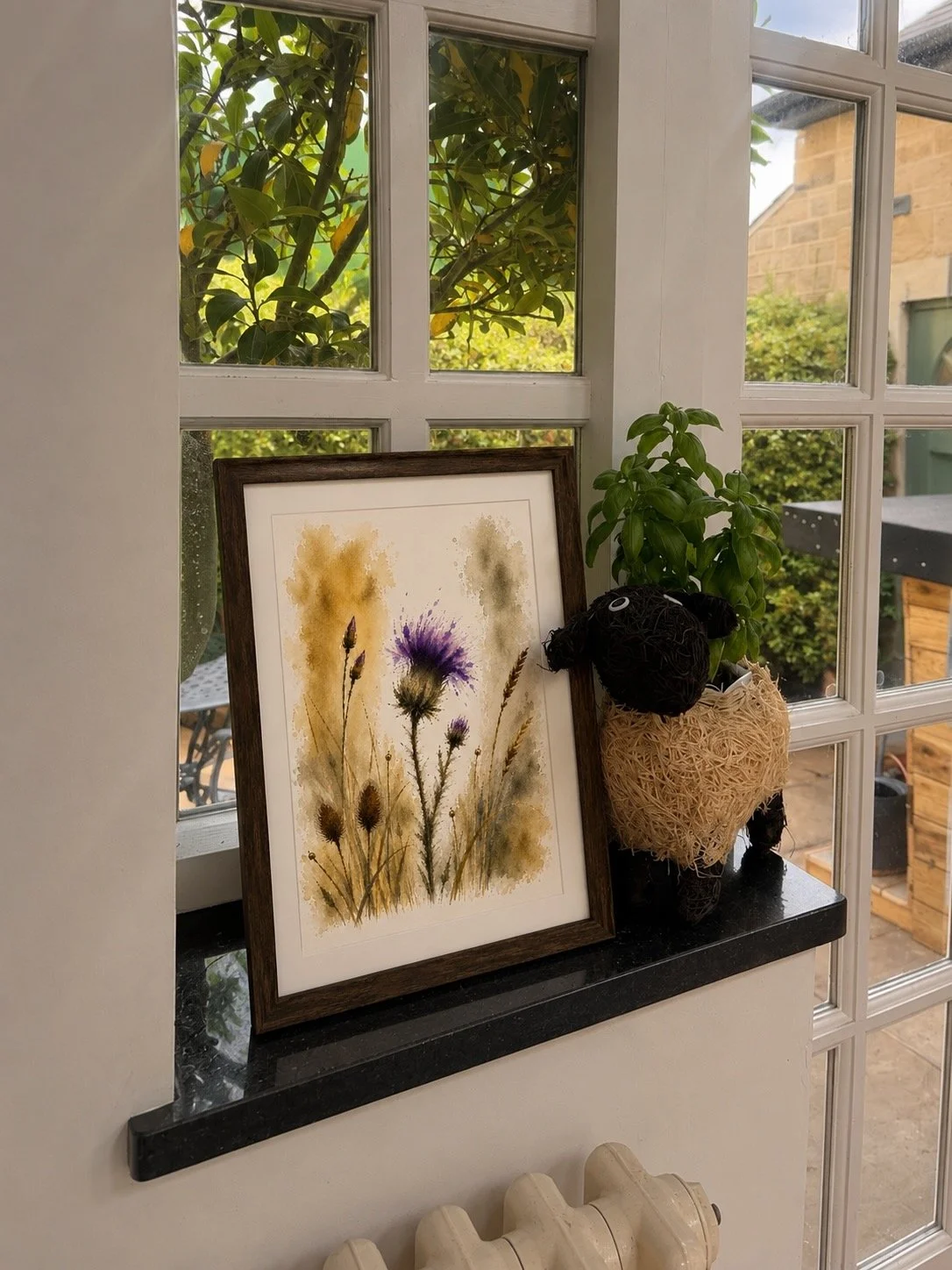
Every artwork is one of a kind, carefully framed in dark oak, supplied with a Certificate of Authenticity and only available once.
Betony - £125
Self-heal - £120
Rosebay Willowherb - £135
Thistle - £140
Hawthorn - £135
Dandelion - £125
Rowan - £130
Elderberries - £135
Fireweed - £130
Rosa Villosa - £140